Overview of Semax
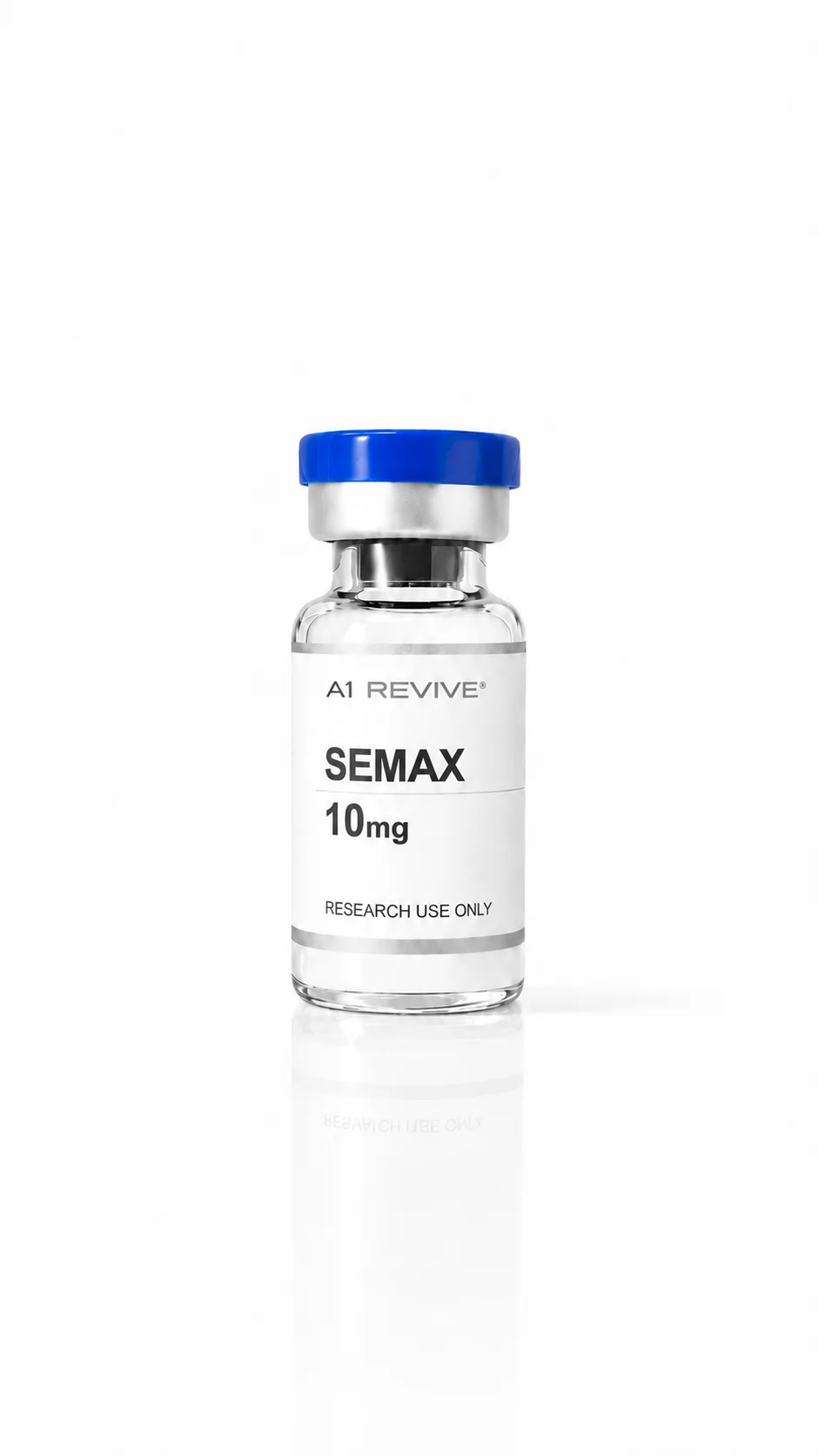
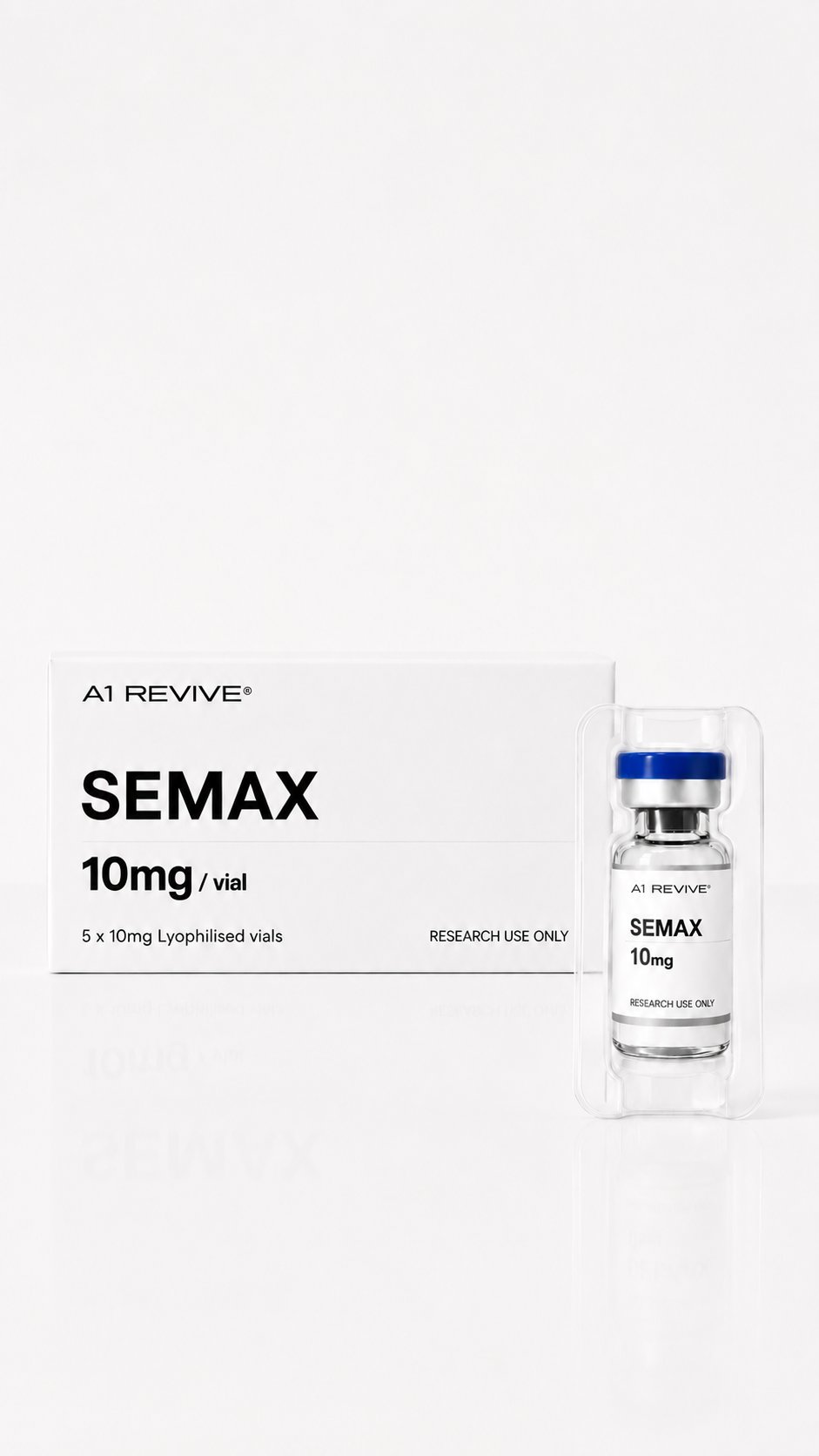
Semax is a synthetic peptide developed in Russia, derived from a fragment of adrenocorticotropic hormone (ACTH). It is primarily known for its nootropic, neuroprotective, and cognitive-enhancing properties, making it a subject of research in neurology and psychiatry. Semax has demonstrated effects on memory, attention, mood, and mental clarity, with potential applications in treating cognitive decline, brain injury, and emotional regulation.
Cognitive Enhancement and Neuroprotection
Semax is popular in the nootropic community for enhancing memory, learning, and focus, especially under stress. It may increase brain-derived neurotrophic factor (BDNF) levels, which are crucial for neuroplasticity and memory formation. Semax is being explored as a treatment for cognitive decline and attention disorders.
Neuroprotective Effects
Semax shows promise in protecting the brain against neurodegenerative diseases and neuroinflammation. It may reduce oxidative stress, enhance neurogenesis, and improve neuronal survival. Research focuses on its use in stroke recovery, Alzheimer’s, Parkinson’s, and traumatic brain injury.
Mood Enhancement and Stress Reduction
Semax is studied for its antidepressant and anxiolytic effects, potentially impacting neurotransmitter systems like dopamine, serotonin, and noradrenaline. It may also regulate stress responses by modulating corticotropin-releasing hormone (CRH).
Treatment of Attention Deficit Hyperactivity Disorder (ADHD)
Semax’s ability to improve focus, attention, and impulse control has made it a candidate for ADHD treatment. Its non-stimulant mechanism may offer a safer alternative for individuals who experience side effects from traditional ADHD medications.
Post-Stroke Rehabilitation
Semax supports recovery from stroke by promoting neuroplasticity and repairing damaged brain tissue. It may enhance motor function and cognitive recovery when combined with traditional rehabilitation therapies.
Traumatic Brain Injury (TBI) and Cognitive Recovery
Semax is being researched for improving outcomes in TBI by reducing inflammation, promoting neurogenesis, and supporting neuronal repair. It could prevent long-term cognitive deficits resulting from brain injury.
Semax is studied for reducing fatigue and enhancing mental performance, particularly in stressful or cognitively demanding situations. It may improve resilience and endurance in individuals with chronic stress or exhaustion.
Role in Treating Neuropsychiatric Disorders
Semax is being investigated for treating mood and cognitive disorders like bipolar disorder and schizophrenia. Its effects on neurotransmitter systems and neurogenesis make it a promising candidate for managing neuropsychiatric symptoms.
Immune System Modulation
Semax may modulate immune responses by influencing the hypothalamic-pituitary-adrenal (HPA) axis and reducing neuroinflammation. It is being explored for autoimmune diseases and neuroinflammatory conditions.