TB-500
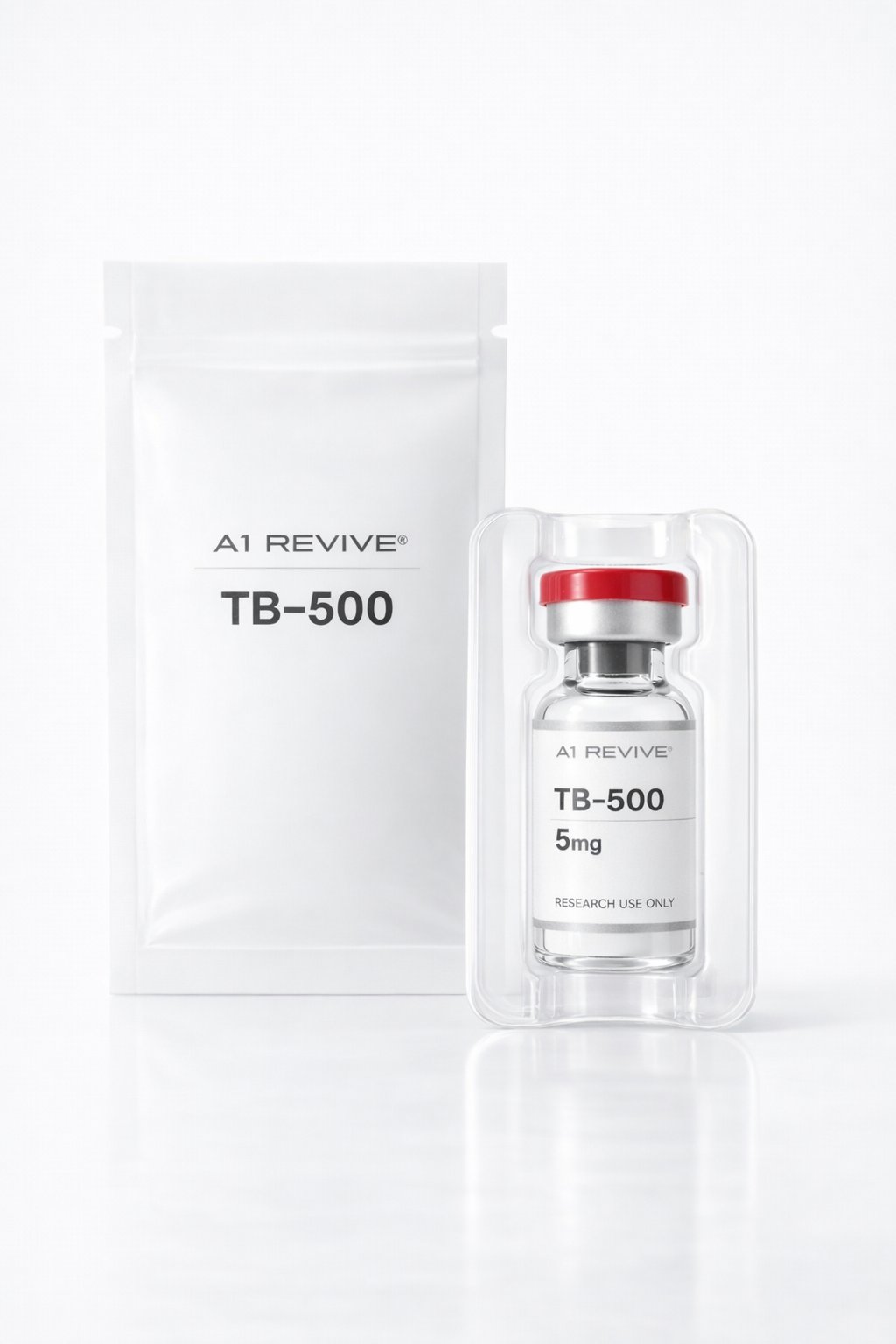
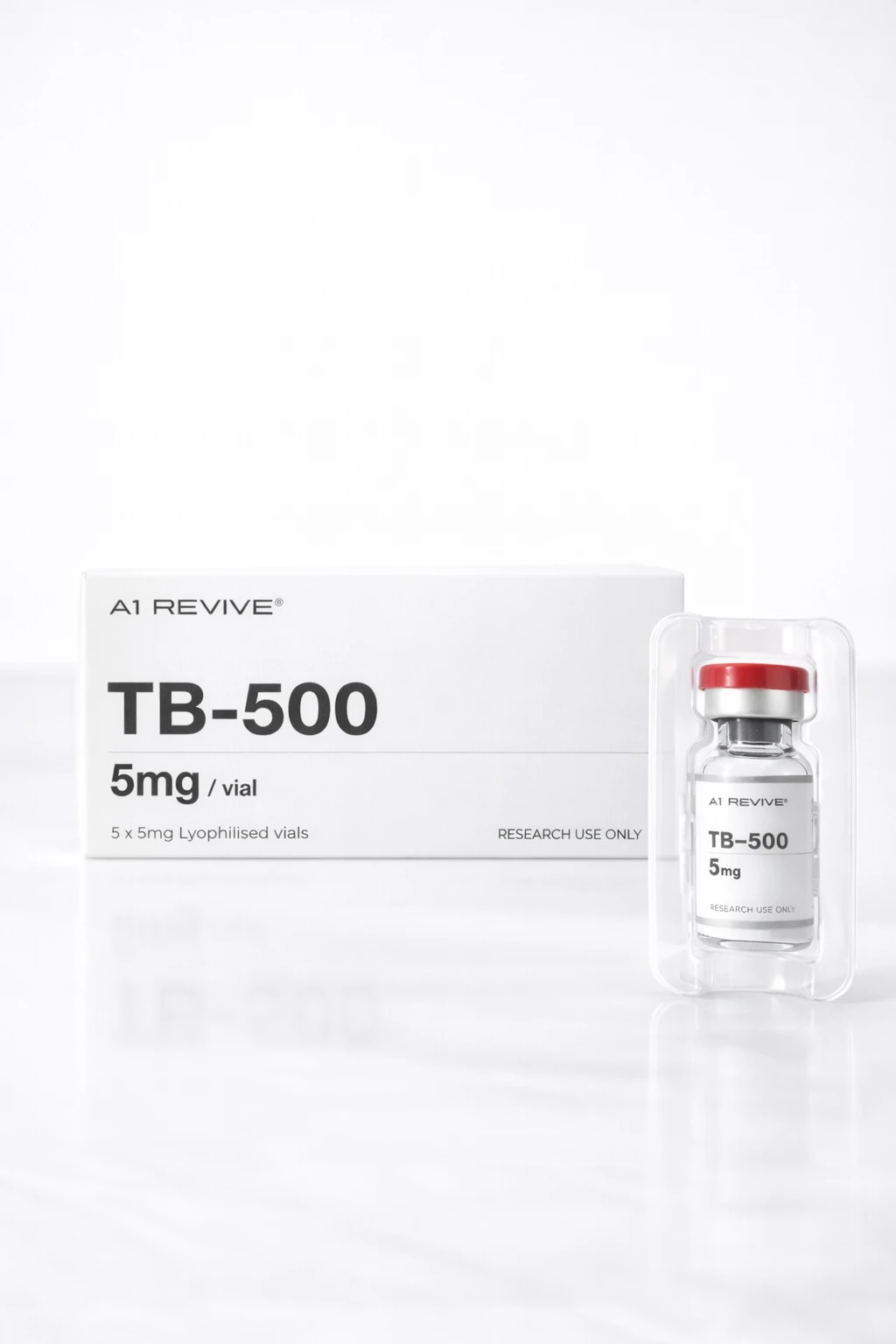
TB-500 (also known as Thymosin Beta-4) is a synthetic peptide that is derived from a naturally occurring protein found in the thymus gland and is involved in many cellular processes, particularly those related to tissue repair, wound healing, and inflammation regulation. TB-500 has gained attention in various fields, particularly for its potential in musculoskeletal healing, regenerative medicine, and anti-inflammatory therapies. While there is limited research on TB-500 specifically in human clinical trials, much of the ongoing research is based on preclinical studies in animals, as well as its use in sports medicine and veterinary applications.
Tissue Repair and Wound Healing
Muscle Repair and Regeneration
TB-500 is believed to promote muscle tissue regeneration, making it of interest in the treatment of muscle injuries, strains, and tears. Studies have shown that TB-500 can enhance muscle fiber growth and repair by stimulating the migration of myoblasts (muscle precursor cells) to sites of injury. Research is ongoing to better understand its effects on muscle regeneration, particularly for sports injuries or post-surgical recovery.
Accelerating Muscle Recovery
Some studies have suggested that TB-500 could potentially speed up recovery time from muscle damage caused by intense exercise, helping athletes recover faster from injuries or overuse. This is a key area of interest, as athletes often look for ways to reduce downtime due to muscle injuries.
Wound Healing
TB-500 has also been explored for its ability to promote wound healing in both soft tissues and more complex injuries, such as skin wounds and corneal injuries. It is believed to aid in angiogenesis (the formation of new blood vessels), collagen deposition, and the movement of various cells required for wound closure. Some animal studies have indicated that TB-500 accelerates wound healing by promoting tissue regeneration at the injury site.
Anti-Inflammatory Effects
Chronic Inflammation
TB-500 is thought to have anti-inflammatory properties, which may be beneficial in treating conditions characterized by chronic inflammation, such as arthritis and tendonitis. Research is investigating whether TB-500 could reduce inflammation in joints, soft tissues, and other areas affected by inflammatory diseases.
Joint Health and Pain Management
Ongoing studies are examining whether TB-500 can be effective in reducing pain and improving mobility in individuals with osteoarthritis, rheumatoid arthritis, and other inflammatory joint disorders. TB-500 might be able to reduce swelling and pain in joints by inhibiting pro-inflammatory cytokines and supporting tissue healing.
Tendon and Ligament Healing
One of TB-500’s key potential applications is in the repair of tendon and ligament injuries. Tendon and ligament injuries are notoriously slow to heal due to their limited blood supply, but TB-500 has shown promise in promoting collagen formation and enhancing the regeneration of these tissues. Studies are ongoing to assess how TB-500 might be used to speed recovery from such injuries and improve tissue quality after healing.
Regeneration of Nerve Tissue
Neuroprotection and Nerve Regeneration
There is growing interest in the role of TB-500 in nerve regeneration and neuroprotection. Early studies have suggested that TB-500 may promote the regeneration of nerve cells after injury, particularly in the central nervous system (CNS) and peripheral nervous system (PNS). Research is exploring its potential in treating nerve damage from trauma, spinal cord injuries, or neuropathy.
Axonal Growth
TB-500 has been shown to stimulate the growth of axons (the long projections of nerve cells that transmit electrical impulses). This axonal regeneration could have therapeutic potential for individuals with nerve injuries or those recovering from neurological conditions.
Neuroinflammation and Brain Injury
Some studies are also investigating the effects of TB-500 in reducing neuroinflammation and promoting recovery after brain injuries, such as traumatic brain injury (TBI). There is interest in whether TB-500 could mitigate neuronal damage and improve functional outcomes after brain trauma.
Cardiovascular Health
Heart Repair and Regeneration
TB-500’s potential role in cardiovascular health is another area of research. Some studies have suggested that TB-500 may contribute to the repair of heart tissue after myocardial infarction (heart attack) by promoting angiogenesis and the regeneration of damaged heart muscle. There is ongoing research into whether TB-500 could improve outcomes in patients recovering from heart attacks or those with chronic heart failure.
Angiogenesis and Vascular Health
TB-500’s effects on angiogenesis (the formation of new blood vessels) have led researchers to investigate its potential in improving vascular health. By stimulating blood vessel formation, TB-500 could potentially aid in the repair of tissues suffering from poor blood supply, such as in conditions like peripheral artery disease (PAD) or post-surgical healing.
Anti-Aging and Regenerative Medicine
Cellular Regeneration
Given its regenerative properties, TB-500 is being investigated for its potential in anti-aging therapies. As aging is associated with a decrease in tissue repair and regeneration, there is interest in whether TB-500 could help stimulate cell renewal and tissue regeneration in older adults. Research is still in its early stages, but TB-500 may hold promise for promoting rejuvenation in aging tissues.
Skin Regeneration
TB-500 has been studied for its ability to promote skin healing and collagen synthesis, suggesting it could have applications in cosmetic medicine for treating skin wounds, scars, and potentially reducing the appearance of wrinkles and other signs of aging.
Potential Use in Treating Autoimmune Diseases
Immune Regulation
There is some interest in studying TB-500’s effects on the immune system, particularly in conditions where immune dysfunction plays a role, such as autoimmune diseases. While more research is needed, it’s possible that TB-500’s anti-inflammatory and regenerative effects could have applications in managing diseases like multiple sclerosis (MS) or lupus.
Conclusion
TB-500 is an emerging peptide with potential applications in tissue repair, musculoskeletal injuries, inflammation reduction, and even neuroprotection. The peptide has demonstrated efficacy in accelerating wound healing, promoting muscle and tendon regeneration, and possibly enhancing nerve repair. Its regenerative properties also have applications in anti-aging, cardiovascular health, and veterinary medicine. However, much of the research on TB-500 is still preclinical, and there are limited human clinical trials available.
While animal studies and anecdotal evidence suggest promising results, more research is needed to establish the peptide’s safety, effectiveness, and regulatory mechanisms in humans. As such, TB-500 remains a research-focused compound, and its use outside of controlled environments is not approved by health authorities like the FDA. Nonetheless, ongoing studies will help clarify its therapeutic potential, particularly in regenerative medicine, sports medicine, and tissue healing.