Retatrutide
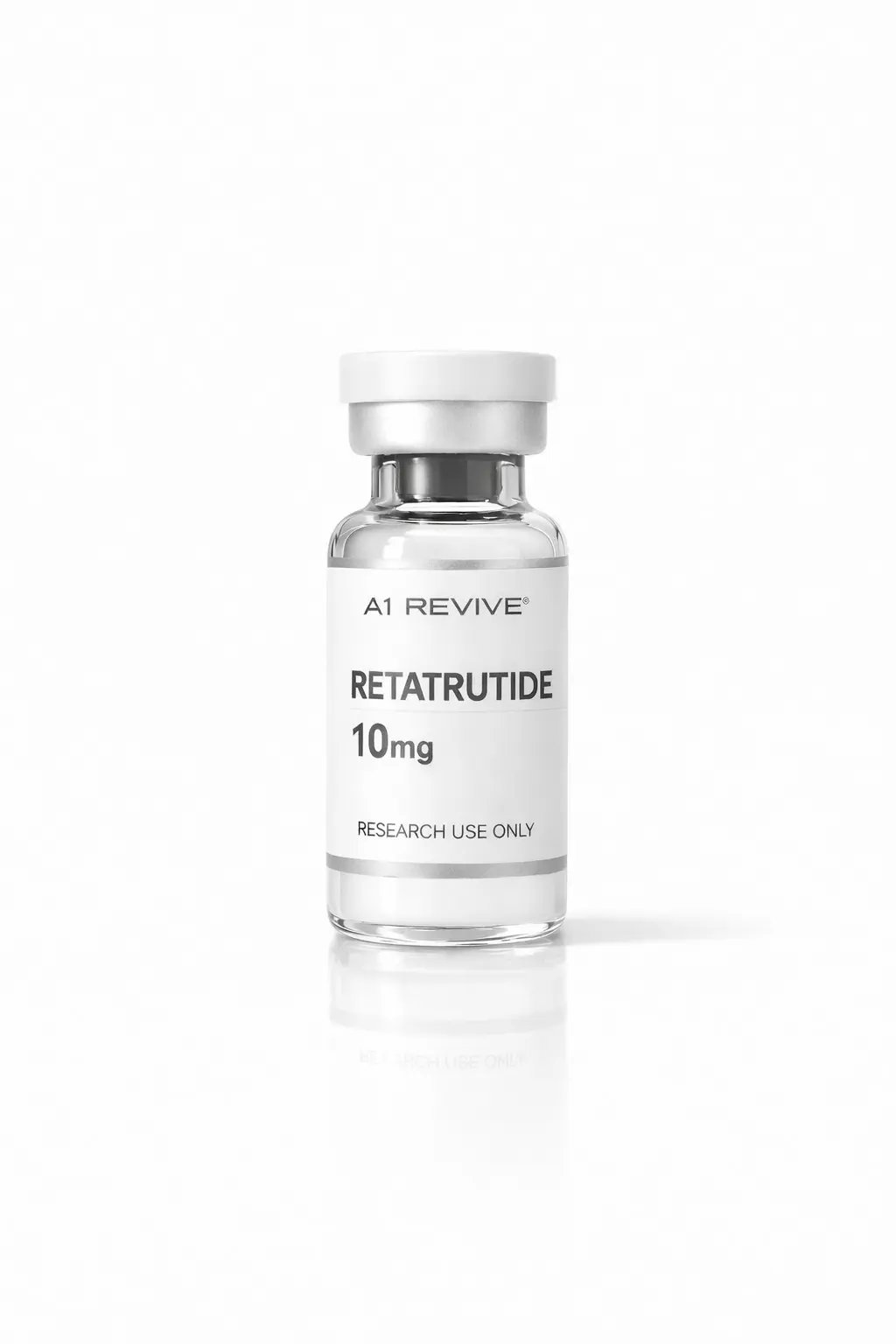
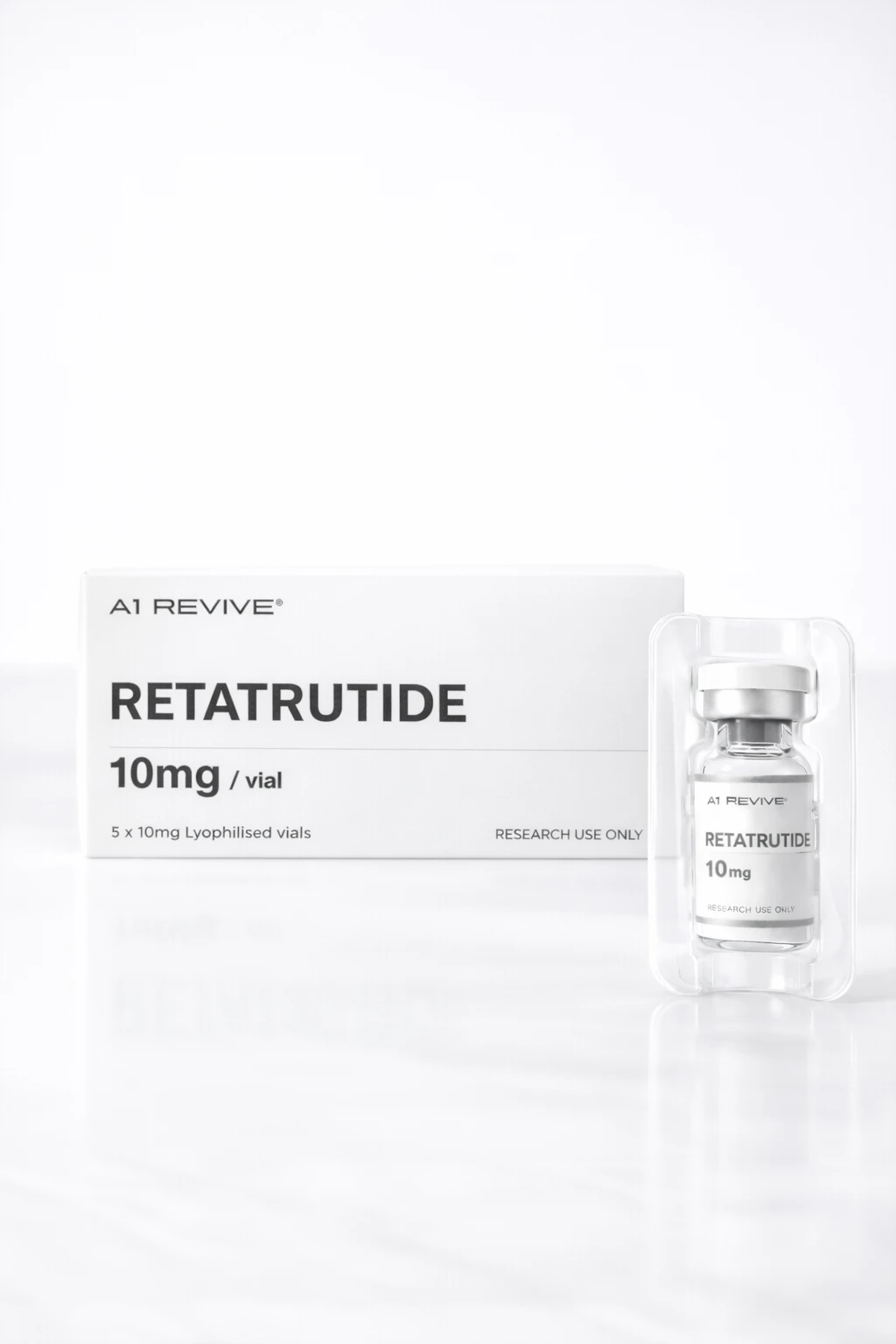
Retatrutide is an investigational peptide therapy designed to act as a triple hormone receptor agonist, targeting glucagon-like peptide-1 (GLP-1), glucose-dependent insulinotropic polypeptide (GIP), and glucagon receptors. By influencing multiple metabolic pathways simultaneously, Retatrutide is being studied for its potential role in weight regulation, metabolic health, and energy balance. It has gained significant attention in clinical research for its potential application in obesity management and cardiometabolic disease. While long-term data is still being collected, early human trials have demonstrated promising outcomes in weight reduction and metabolic improvement.
Appetite Regulation
Retatrutide affects appetite signaling within the central nervous system, helping regulate hunger and promote feelings of fullness. Through GLP-1 receptor activation, it slows gastric emptying and enhances satiety, which may reduce overall caloric intake.
Fat Loss and Body Composition
Clinical studies suggest Retatrutide may support significant reductions in body fat. By improving metabolic efficiency and reducing energy intake, research participants have demonstrated meaningful changes in body composition. Ongoing research is examining how Retatrutide influences fat metabolism and long-term weight maintenance.
Energy Expenditure
Unlike therapies that focus solely on appetite suppression, glucagon receptor activation may increase energy expenditure. This mechanism is believed to enhance fat oxidation and metabolic rate, contributing to weight loss beyond caloric restriction alone.
Glycemic Regulation
Retatrutide has been shown to improve glucose regulation by enhancing insulin secretion and reducing post-meal blood glucose spikes. This effect may help stabilize blood sugar levels and support metabolic health.
Insulin Sensitivity
By activating GLP-1 and GIP pathways, Retatrutide may improve the body’s responsiveness to insulin. Research is exploring its potential role in individuals with insulin resistance, prediabetes, and type 2 diabetes.
Cardiovascular Risk Factors
Retatrutide is being studied for its potential to improve cardiometabolic markers associated with heart disease risk. Early findings suggest improvements in lipid profiles, blood pressure regulation, and reductions in visceral fat.
Visceral Fat Reduction
Reduction in deep abdominal fat is considered an important factor in lowering cardiometabolic risk. Research indicates Retatrutide may significantly reduce visceral adiposity, which is linked to improved cardiovascular health outcomes.
Reduction in Liver Fat
Preliminary research suggests Retatrutide may reduce fat accumulation in the liver. This effect is being explored as a potential therapeutic approach for non-alcoholic fatty liver disease and metabolic liver dysfunction.
Energy Regulation and Physical Vitality
By improving metabolic efficiency and reducing excess body fat, Retatrutide may contribute to improved physical energy and reduced fatigue associated with metabolic dysfunction. Researchers are continuing to investigate its broader effects on vitality and overall metabolic resilience.
Anti-Obesity and Longevity Research
Due to its effects on body weight, insulin sensitivity, and cardiovascular risk markers, Retatrutide is being studied as a potential tool in obesity treatment and metabolic syndrome management. Its broader impact on metabolic health has generated interest in longevity and healthspan research.
Research Status and Clinical Development
Retatrutide remains under clinical investigation. Phase 2 trials have demonstrated significant weight loss and metabolic improvements, and larger Phase 3 trials are underway to evaluate long-term safety, efficacy, and potential therapeutic applications.