The Youth Stack (GHK-Cu & NAD+) Overview
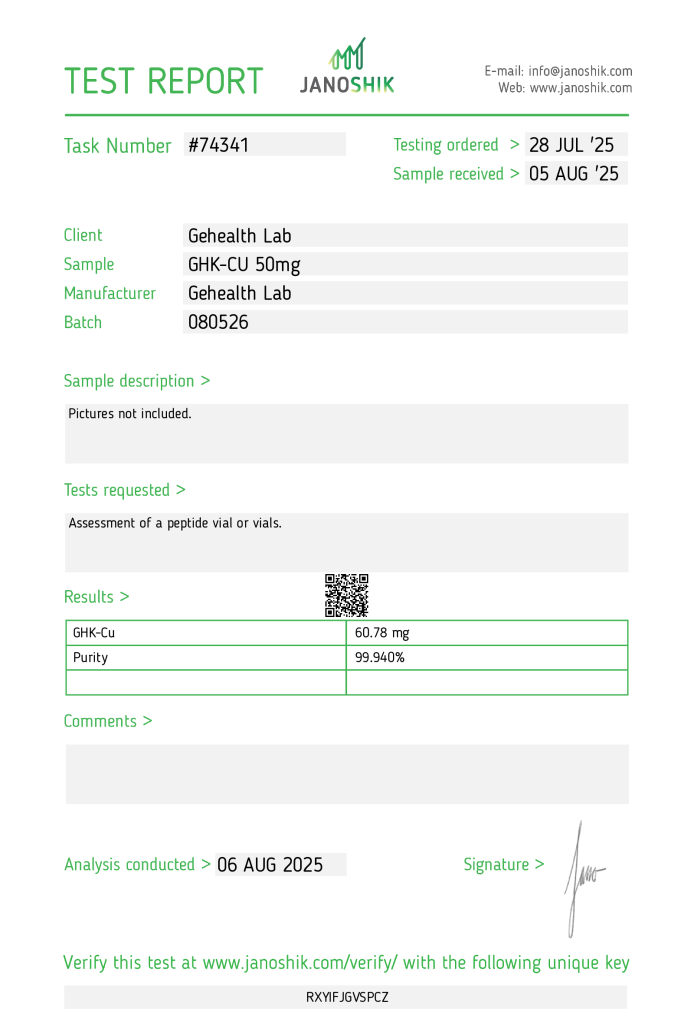
The Youth Stack combines two highly researched, naturally occurring compounds: GHK-Cu (Glycyl-L-Histidyl-L-Lysine copper peptide) and NAD+ (Nicotinamide Adenine Dinucleotide). GHK-Cu is a copper complex found in human blood plasma, saliva, and urine that significantly declines as we age; it is renowned for its ability to promote tissue remodeling and reset cellular gene expression to a younger state. NAD+ is a critical coenzyme present in every living cell, responsible for converting cellular nutrients into energy and acting as a helper molecule for proteins that regulate other cellular functions. Together, they create a synergistic, premium approach to reviving cellular health. While both are already utilized in high-end regenerative therapies, ongoing research continues to uncover the depth of their restorative properties.
Anti-Aging and Cellular Rejuvenation
Cellular Energy and Longevity
A primary focus of NAD+ research is its role in mitochondrial function and longevity. NAD+ acts as fuel for sirtuins, a family of proteins often referred to as “longevity genes,” which regulate cellular health, inflammation, and aging. By restoring declining NAD+ levels, researchers observe enhanced cellular energy production, delaying the degenerative effects associated with biological aging and reviving overall vitality.
DNA Repair and Gene Expression
Both compounds play pivotal roles at the genetic level. NAD+ is essential for the activation of PARPs (poly ADP-ribose polymerases), enzymes that detect and repair damaged DNA. Concurrently, GHK-Cu has been shown in studies to modulate the expression of thousands of human genes, essentially resetting them to a healthier, more youthful state. This dual action makes the stack a subject of intense interest in preventative anti-aging medicine.
Skin Regeneration and Tissue Repair
Collagen and Elastin Synthesis
GHK-Cu is perhaps most famous for its profound effects on skin health and tissue repair. Preclinical and clinical studies have demonstrated its ability to significantly stimulate the synthesis of collagen and elastin, the structural proteins responsible for skin firmness and elasticity. This has made it a gold standard in minimalistic, high-end dermatological and aesthetic applications.
Wound Healing and Scar Reduction
Beyond cosmetic benefits, GHK-Cu heavily promotes the healing of dermal wounds, burns, and surgical incisions. Research indicates it accelerates the breakdown of damaged, “scar” collagen and encourages the production of new, healthy tissue. When paired with the cellular energy provided by NAD+, the body’s natural tissue repair mechanisms are highly optimized.
Neuroprotection and Cognitive Health
Brain Energy and Cognitive Function
The brain requires an immense amount of energy to function optimally, making it highly susceptible to NAD+ depletion. Research suggests that restoring NAD+ levels can protect neurons against stress, improve mitochondrial function in the brain, and potentially delay or mitigate age-related cognitive decline, keeping mental acuity sharp.
Nerve Regeneration and Mood Support
GHK-Cu also demonstrates significant neuroprotective properties. Animal studies indicate it can promote nerve outgrowth and protect nervous tissue from degenerative diseases. Furthermore, researchers are exploring GHK-Cu’s anxiolytic (anti-anxiety) and anti-pain effects, suggesting it supports an overall sense of neurological balance and well-being.
Metabolic and Cardiovascular Health
Metabolic Function
NAD+ is a cornerstone of human metabolism. By facilitating the conversion of food into usable cellular energy (ATP), healthy NAD+ levels are linked to improved insulin sensitivity, better lipid metabolism, and a reduction in metabolic dysfunction. Researchers are actively studying NAD+ precursors for their ability to combat obesity and metabolic syndrome.
Angiogenesis and Blood Flow
GHK-Cu supports the cardiovascular system by promoting angiogenesis—the formation of new blood vessels from pre-existing ones. This improved microcirculation ensures that tissues receive adequate oxygen and nutrients, which is crucial for maintaining systemic health, supporting athletic recovery, and preventing ischemic damage.
Anti-Inflammatory and Antioxidant Effects
Reducing Oxidative Stress
Both compounds offer robust defense against oxidative stress, a primary driver of aging and disease. GHK-Cu acts as a potent antioxidant by blocking the release of tissue-damaging iron and quenching free radicals. NAD+ provides the necessary energy for the cell’s endogenous antioxidant defense systems to function efficiently.
Systemic Inflammation
Chronic, low-grade inflammation (often termed “inflammaging”) is mitigated by this stack. NAD+’s activation of sirtuins helps suppress inflammatory pathways at a cellular level, while GHK-Cu modulates the immune response, reducing the production of inflammatory cytokines. This combined anti-inflammatory action supports the health of joints, organs, and the cardiovascular system.